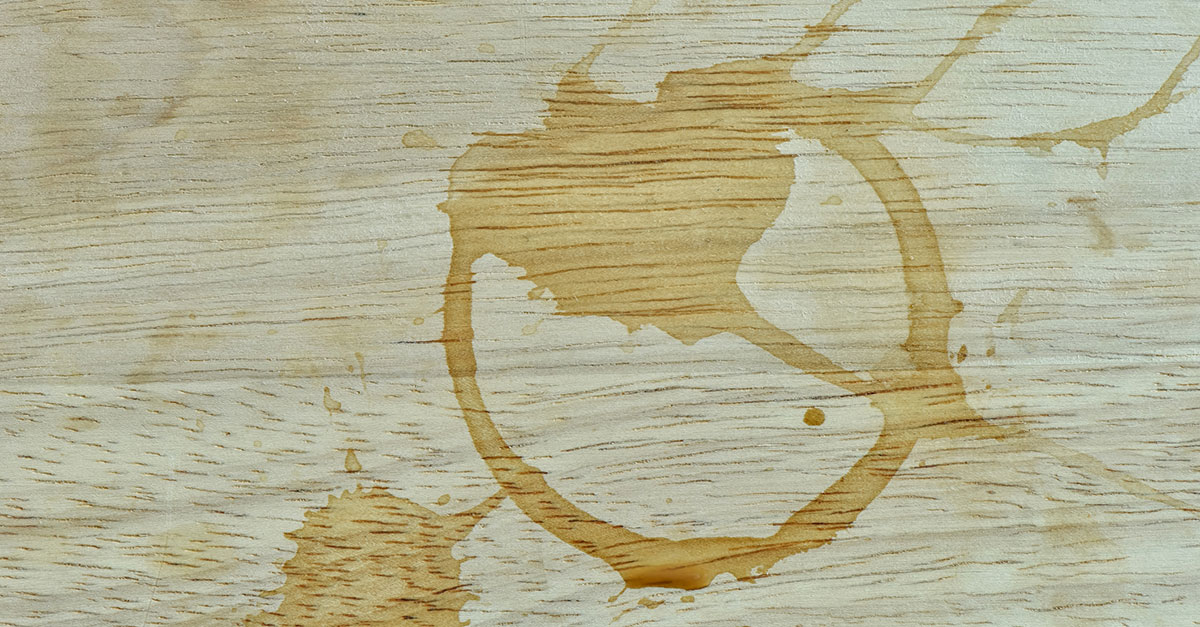
For years, we’ve been surprised – as a marketing company who produces content – that one blog post about the Coffee Stain Theory has been read more than any other post in our blog. And although we don’t know why, we believe it’s that the theory is the easiest way to explain why the little things matter in your brand experience with your customers and prospects. The coffee stain theory, paraphrased, states that you can do everything right with your brand experience but if you neglect some details (for instance an airline leaving a coffee stain on the airline tray) it calls into question all other details that might not be paid attention to – like maintenance.
Spend a little time looking for the coffee stains on your brand, fix them and you’ll improve your customers’ experience with your brand.
Here are some “coffee stains” to think about with brand experience:
- If your brand stands for responsiveness and you don’t respond to mentions or inquiries on social media, you may have a coffee stain
- If your brand purports to have personalized service and your marketing materials serve up generalized “picked for you” merchandise that isn’t, you may have a coffee stain
- If you are a precision manufacturer and your website is out of date, you may have a coffee stain
- If you are a bank or credit union and don’t have a good mobile banking experience, you may have a coffee stain
The point is, sometimes the smallest things (even if they are not important to you) can put people off of your brand – their expectations of you can change dramatically with one experience. So, take a moment and put yourself in your customers’ shoes to look for the “coffee stains” and polish them up. It can be the difference between your customer leaving with a good impression, or just leaving.
For more about this topic, read our post on how to determine if your company needs a brand refresh.
How do I run a quick “coffee stain” brand audit?
Pick one journey (homepage → contact, or ad → landing → form). Note every inconsistency: tone, claims, visuals, load speed, broken links/CTAs, outdated info, slow replies. If it creates doubt or friction, it’s a stain.
What should we fix first?
Fix high-impact, high-visibility issues first: broken CTAs/forms, confusing headlines, outdated product/price info, mismatched visuals, slow pages. Then address tone/style inconsistencies across top pages.
Do we need a full rebrand—or just a cleanup?
If your story and visuals are fundamentally right, start with cleanup (consistency and UX). If people can’t say how you’re different—or your identity no longer fits—consider a positioning refresh or rebrand.
How do we measure if the fixes worked?
Track pre/post on: conversion rate for the audited path, form errors/abandonment, time to first response, branded search and direct traffic, and qualitative feedback (“feels clearer,” “makes sense now”).
How often should we repeat this audit?
Quarterly is smart; monthly if you publish or iterate frequently. New campaigns, site changes, and team turnover all introduce fresh stains.
{
"@context": "https://schema.org",
"@type": "Article",
"headline": "Branding, Marketing, and the Coffee Stain Theory",
"description": "A practical follow-up to our Coffee Stain Theory: how small inconsistencies in branding and marketing create outsized doubt—and how to find and fix them.",
"author": {
"@type": "Organization",
"name": "Cat&tonic",
"url": "https://cat-tonic.com"
},
"publisher": {
"@type": "Organization",
"name": "Cat&tonic",
"url": "https://cat-tonic.com",
"logo": {
"@type": "ImageObject",
"url": "https://cat-tonic.com/wp-content/uploads/logo.png"
}
},
"mainEntityOfPage": {
"@type": "WebPage",
"@id": "https://cat-tonic.com/branding-marketing-and-the-coffee-stain-theory/"
},
"image": "https://cat-tonic.com/wp-content/uploads/mayMD_blog-image.jpg",
"about": [
{ "@type": "Thing", "name": "Brand consistency" },
{ "@type": "Thing", "name": "Brand trust" },
{ "@type": "Thing", "name": "Customer experience" },
{ "@type": "Thing", "name": "Brand audit" }
],
"datePublished": "2018-06-10",
"dateModified": "2025-10-14"
}
{
"@context": "https://schema.org",
"@type": "FAQPage",
"mainEntity": [
{
"@type": "Question",
"name": "How do I run a quick “coffee stain” brand audit?",
"acceptedAnswer": {
"@type": "Answer",
"text": "Pick one journey (homepage to contact, or ad to landing to form). Note every inconsistency: tone, claims, visuals, load speed, broken links or CTAs, outdated info, and slow replies. If it creates doubt or friction, it’s a stain."
}
},
{
"@type": "Question",
"name": "What should we fix first?",
"acceptedAnswer": {
"@type": "Answer",
"text": "Fix high-impact, high-visibility issues first: broken CTAs/forms, confusing headlines, outdated product or price info, mismatched visuals, and slow pages. Then address tone and style inconsistencies across top pages."
}
},
{
"@type": "Question",
"name": "Do we need a full rebrand—or just a cleanup?",
"acceptedAnswer": {
"@type": "Answer",
"text": "If your story and visuals are fundamentally right, start with cleanup to restore consistency and UX. If people can’t say how you’re different—or your identity no longer fits—consider a positioning refresh or rebrand."
}
},
{
"@type": "Question",
"name": "How do we measure if the fixes worked?",
"acceptedAnswer": {
"@type": "Answer",
"text": "Track before-and-after on conversion rate for the audited path, form errors or abandonment, time to first response, branded search and direct traffic, and qualitative feedback from users."
}
},
{
"@type": "Question",
"name": "How often should we repeat this audit?",
"acceptedAnswer": {
"@type": "Answer",
"text": "Quarterly is smart; monthly if you publish or iterate frequently. New campaigns, site changes, and team turnover tend to introduce new 'stains' that should be caught quickly."
}
}
]
}